
Debunking common gambling myths that mislead players
The Myth of “Hot” and “Cold” Streaks
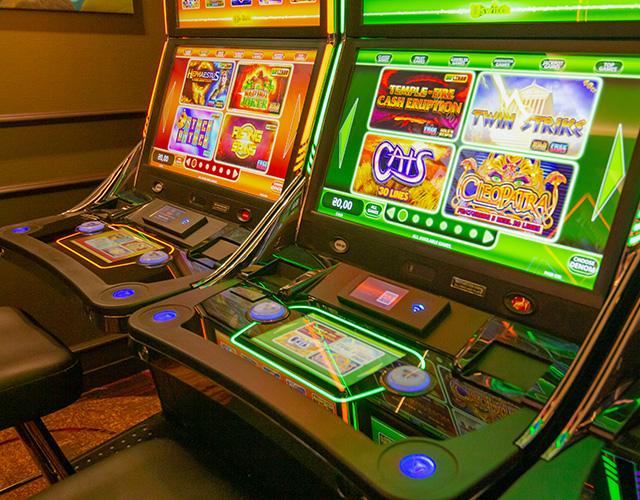
One of the most prevalent myths in the gambling world is the belief in “hot” and “cold” streaks. Many players think that if a slot machine has not paid out for a while, it must be “due” for a win. This misconception arises from a misunderstanding of probability and randomness. Each spin of a slot machine is independent, meaning past outcomes do not influence future results. The odds remain the same regardless of previous spins, and relying on this myth can lead to poor decision-making. Many players seek out casinos not on gamstop believing they may increase their chances of winning against the odds.

This myth extends beyond slot machines to table games like roulette and blackjack. Players often think that if a number hasn’t come up in a while, it is more likely to appear soon. However, each roll of the dice or spin of the wheel is also entirely random. Understanding this can help players make more informed choices and avoid falling into the trap of chasing losses based on flawed reasoning.
The Gambler’s Fallacy: A Dangerous Mindset
The gambler’s fallacy is closely related to the myths surrounding “hot” and “cold” streaks. It suggests that previous outcomes will impact future results in games of chance. For example, if a player has lost several bets in a row, they may believe they are more likely to win the next time. This thought process can lead to larger bets and ultimately greater losses, as players might risk more than they can afford in the hope of recouping past losses.
Understanding the nature of chance is crucial for responsible gambling. Relying on the gambler’s fallacy can create a cycle of betting based on false hope rather than sound strategy. Players must recognize that every bet is an independent event, devoid of any connection to previous results. This awareness can prevent impulsive gambling behavior and encourage a healthier approach.
The Myth of Skill in Games of Chance
Another common myth is the belief that skill can significantly alter the outcome of games purely based on chance. While skill does play a role in games like poker and blackjack, where strategy can improve a player’s odds, many games—such as slots and roulette—are entirely luck-based. The notion that players can consistently ‘beat the system’ in these games is misleading and can lead to false confidence.
Relying on skill where it does not exist can result in unrealistic expectations and financial losses. Recognizing the limitations of skill in these games is essential for any player. By accepting that certain games are purely based on luck, players can better manage their expectations and approach gambling with a more grounded mindset.
The Misconception of Safe Gambling Methods
In the realm of gambling, many players are lured by the promise of “safe” betting strategies that claim to minimize risk. These methods often include systems like Martingale or Fibonacci betting, which suggest that players can recover losses by increasing their bets after each loss. While these strategies may sound appealing, they often lead to substantial losses if players encounter a losing streak.
The belief that one can find a foolproof system undermines the reality of gambling’s inherent risks. These so-called safe methods fail to address the fact that most games have a house edge, which ensures that the casino always has an advantage over the player in the long run. Understanding that no betting system can change the basic odds is crucial for maintaining a responsible gambling approach.
Understanding the Role of Responsible Gaming Resources
As the gambling landscape evolves, many resources are available to help players navigate their experiences safely. Websites dedicated to responsible gambling provide educational material that debunks common myths and offers advice on maintaining control. These resources are invaluable in promoting a healthy approach to gambling.
Utilizing these resources can empower players with knowledge and strategies to make informed decisions. Players can learn how to recognize signs of problem gambling, set limits, and understand the importance of taking breaks. By engaging with these responsible gaming platforms, players can enjoy a safer gambling experience and mitigate the risks associated with common misconceptions.
